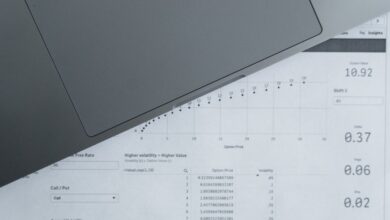

Phone spam research combines privacy-respecting data practices with real-time analytics to distinguish nuisance calls from legitimate traffic. The guide outlines safe lookup methods, reproducible signals, and auditable workflows. It emphasizes data minimization and transparent thresholds while offering practical steps to block, report, and prevent recurrence. The framework invites scrutiny of policy trade-offs and implementation challenges, leaving open questions about accuracy, consent, and long-term resilience that compel continued inquiry.
What Is Phone Spam and Why It Matters
Phone spam refers to unsolicited telephone calls or messages sent to numerous recipients for advertising, fraud, or phishing purposes. This phenomenon impacts communication efficiency, personal privacy, and trust in outreach channels. For researchers, it highlights the need for systematic nuisance detection, standardized measurement, and transparent policy implications. Understanding patterns, motives, and safeguards enables targeted interventions while preserving user autonomy and legitimate contact opportunities.
How to Lookup Unknown Callers Safely
To safely lookup unknown callers, researchers should first establish a verification framework that prioritizes user privacy and data minimization. The process emphasizes reproducible methods, transparent data handling, and strict access controls. Techniques focus on aggregated signals and consented data sources. Safety first, rigorous validation, and auditable workflows underpin reliable caller identification while mitigating risk, bias, and unnecessary exposure, preserving freedom to inquire.
Detecting Nuisance Call Tactics in Real Time
Real-time detection of nuisance call tactics requires a structured, analytics-driven approach that integrates signal collection, signal processing, and decisioning under strict privacy constraints. The analysis emphasizes objective metrics, reproducible pipelines, and real time indicators, enabling rapid differentiation between legitimate traffic and suspicious patterns. Detecting nuisance hinges on systematic thresholding, contextual scoring, and continuous validation, ensuring transparent, privacy-preserving insights for informed action.
Block, Report, and Prevent Future Spam Calls
Blocking, reporting, and preventing future spam calls require a structured workflow that converts detection signals into actionable defense. The process analyzes caller patterns, aggregates block reports, and calibrates filters to minimize false positives.
Systematically applying prevention strategies reduces exposure, while transparent user controls empower choice.
Evaluation iterates based on outcomes, ensuring durable resilience against evolving nuisance tactics.
Conclusion
Conclusion: The framework integrates privacy-preserving data, reproducible methods, and real-time signals to distinguish legitimate calls from nuisance tactics. By collecting minimal signals, applying transparent thresholds, and validating outcomes, it enables effective blocking, reporting, and prevention. The approach treats each signal as a data point in a larger mosaic, ensuring resilience amid evolving tactics. In sum, advances in detection function like a well-turnished toolkit, keeping the air clear while the machinery hums smoothly.