If you own an above-ground pool, you already know the routine: skimming leaves, brushing walls, vacuuming the floor, and constantly checking water chemistry. What should be a source of relaxation often becomes a weekend chore that eats into your precious leisure time. Debris accumulates faster than you’d expect, algae finds every neglected corner, and maintaining proper water balance feels like a never-ending battle against nature. Traditional cleaning methods demand your physical presence, your energy, and hours you’d rather spend swimming.
Enter pool robotics—the modern, hands-off solution transforming how above-ground pool owners approach maintenance. As smart home technology from brands like iGarden continues to expand into outdoor living spaces, these intelligent machines handle the scrubbing, filtering, and navigating so you don’t have to. But what exactly makes robotic pool cleaners the smart investment for your above-ground setup? And how do advanced models like the K36 address the specific challenges you face? Throughout this article, we’ll explore how these automated cleaners work, examine their standout features, uncover tangible benefits from time savings to energy efficiency, and provide practical guidance for selecting the perfect unit for your pool’s unique shape and needs.
What Are Pool Robotics and How Do They Work?
Pool robotics refers to fully autonomous, self-contained cleaning machines designed to navigate your pool independently, scrubbing surfaces and filtering water without any input from you. Unlike traditional cleaning methods, these devices pack everything they need into a single compact unit—onboard electric motors drive the wheels and brushes, built-in pumps pull water through internal filtration cartridges, and sophisticated microprocessors guide the cleaner along calculated paths to ensure no spot gets missed.
Understanding what sets robotic cleaners apart becomes clearer when you compare them to older technologies. Suction-side cleaners rely on your pool’s existing pump and filter system, adding strain to equipment that’s already working hard and often delivering inconsistent coverage. Pressure-side cleaners require a dedicated booster pump, increasing energy consumption and installation complexity. Robotic cleaners bypass both problems entirely—they plug into a standard electrical outlet through a low-voltage transformer and operate completely independent of your pool’s circulation system. For above-ground pool owners, this self-containment is particularly valuable. Above-ground setups typically use smaller, less powerful pumps and filters that weren’t designed to handle the additional demand of running a cleaning attachment. A robotic cleaner shoulders the entire cleaning burden itself, preserving your existing equipment while delivering a level of thoroughness that manual vacuuming and passive cleaners simply cannot match.
See also: Solving Your Tech Troubles: On-Site Computer Repair Explained
Deep Dive: Exploring the K36 Pool Cleaner’s Features
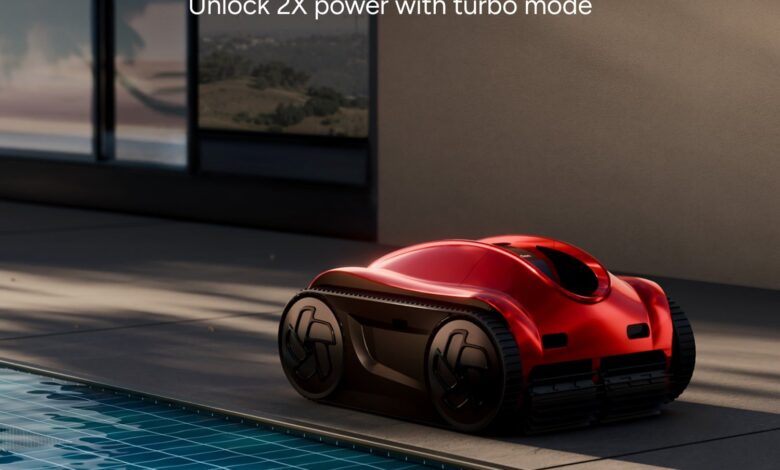
The K36 represents what modern pool robotics can achieve when engineered specifically for residential above-ground pools. Rather than offering a scaled-down version of commercial technology, it addresses the distinct challenges homeowners face—limited pool dimensions, vinyl surfaces, and the desire for genuinely effortless operation. Let’s examine the specific capabilities that make it stand out.
Intelligent Navigation for Complex Pool Shapes
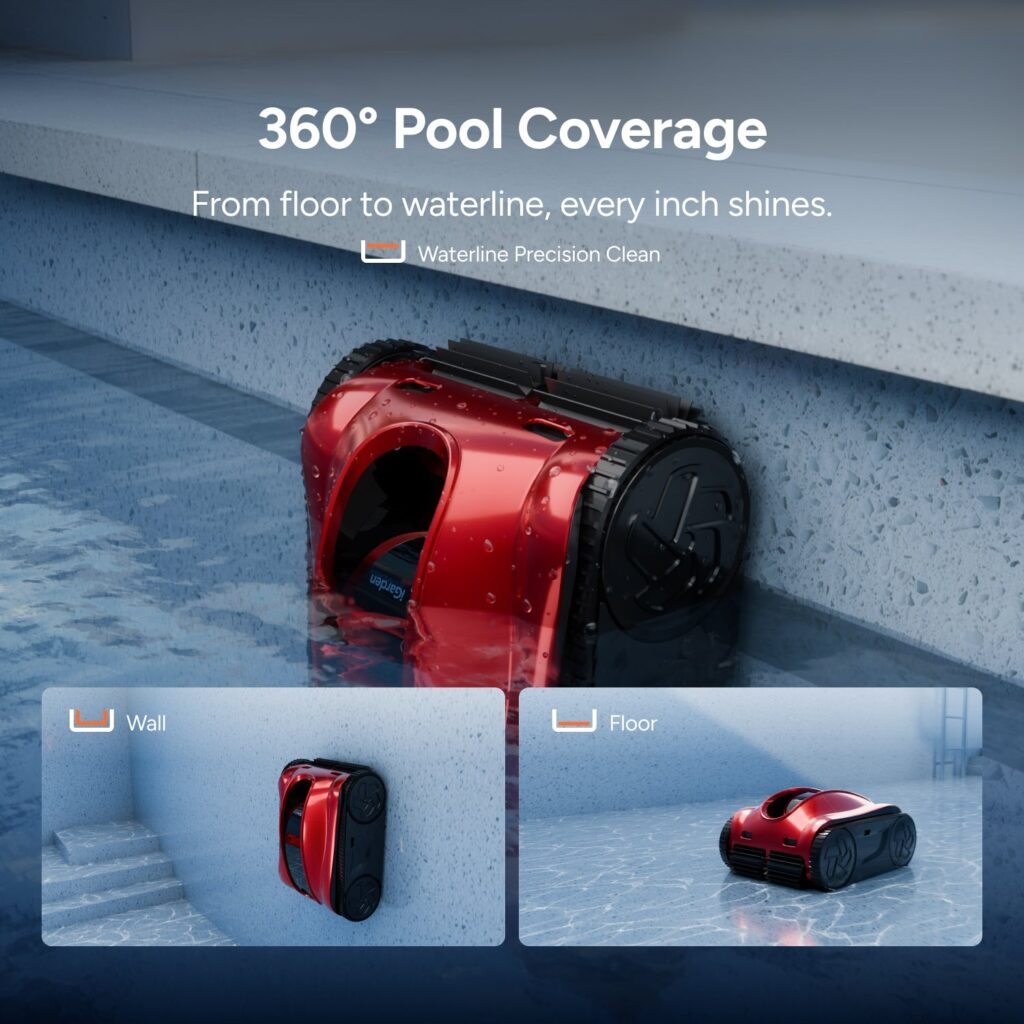
Above-ground pools come in round, oval, and rectangular configurations, each presenting unique navigational challenges. The K36 employs smart scanning algorithms that map your pool’s contours during its initial run, then calculates optimized pathfinding routes to guarantee complete coverage of floors, walls, and the waterline. Instead of bouncing randomly and hoping to eventually reach every surface, it follows systematic patterns that adapt to curved walls and tight corners alike. For owners of round or oval pools—where random-path cleaners notoriously leave crescents of untouched debris—this intelligent approach means every square inch receives attention during each cleaning cycle.
Powerful Scrubbing and Filtration
Cleaning isn’t just about collecting loose debris; it’s about breaking the biofilm and grime that clings to surfaces and fuels algae growth. The K36 combines dual-action rotating brushes that agitate stubborn buildup on both the floor and walls with strong suction that channels everything into high-capacity filter cartridges. These cartridges capture particles down to fine sediment and pollen, meaning your pool’s main filter handles significantly less load. The result is visibly crystal-clear water achieved through mechanical cleaning rather than excessive chemical treatment.
User-Friendly Operation and Convenience
The K36 embodies the “set it and forget it” philosophy that busy homeowners need. Setup involves nothing more than placing the unit in the water and pressing start—no hose connections, no booster pumps, no complicated programming. Once its cleaning cycle completes, it shuts off automatically to conserve energy. Retrieving and maintaining the unit is equally straightforward: the filter cartridge pops out for a quick rinse under a garden hose, and the lightweight design makes lifting it from the pool effortless. For anyone who dreads complicated equipment, this simplicity is the feature that truly transforms pool ownership from a chore into a convenience.
The Tangible Benefits of Automated Pool Cleaning
Owning a robotic pool cleaner translates into measurable improvements that go far beyond a clean pool floor. The most immediate benefit is time—what once consumed two to three hours of manual labor each week now happens autonomously while you’re at work, running errands, or simply relaxing. That’s entire weekends reclaimed over the course of a swimming season, time redirected toward actually enjoying your pool rather than maintaining it.
Cleaning consistency delivers a cascading effect on water chemistry. When surfaces are scrubbed regularly and fine particles are mechanically removed before they decompose, your water stays balanced longer with less chemical intervention. Pool owners who switch to robotic cleaners frequently report reducing chlorine and algaecide usage by noticeable margins because the root causes of contamination—organic buildup and circulating particulates—are addressed at the source rather than treated after the fact.
Energy efficiency presents another compelling advantage. Running your pool’s main circulation pump for extended hours to power a suction-side cleaner can consume substantial electricity over a season. Robotic cleaners operate on low-voltage power supplies that typically draw a fraction of what your main pump requires, keeping utility costs in check while delivering superior results. Your pool’s primary pump and filter also benefit from reduced operational strain—they handle less debris, experience less wear on internal components, and potentially last years longer before requiring costly repairs or replacement. When you calculate the combined savings in time, chemicals, energy, and equipment longevity, a robotic cleaner pays for itself faster than most pool owners expect.
Practical Guide: Choosing the Right Pool Cleaner for Your Pool
Understanding what robotic cleaners offer is one thing—selecting the right model for your specific situation requires a more deliberate approach. Every above-ground pool presents its own combination of size, shape, surface material, and environmental factors that influence which cleaner will deliver the best results. Here’s a practical framework to guide your decision.
Step 1: Assess Your Pool’s Size, Shape, and Surface
Start by measuring your pool’s dimensions and noting its configuration. Round pools demand cleaners with navigation systems capable of handling continuous curved walls without getting stuck in repetitive loops. Oval pools introduce transitional curves and straight sections that require adaptive pathfinding. Rectangular pools are the most straightforward but still benefit from systematic coverage patterns. Beyond shape, consider your pool’s surface—most above-ground pools feature vinyl liners, which require gentler brush materials that clean effectively without scratching or wearing down the liner over time. Models like the K36, designed with above-ground pools in mind, account for these softer surfaces in their brush engineering.
Step 2: Identify Your Primary Debris Type
Your surrounding environment dictates what ends up in your water. Pools beneath trees face heavy leaf loads requiring robust intake openings and larger debris baskets. Pools in arid or sandy regions deal primarily with fine particulates that demand tight-mesh filtration cartridges. If you contend with both—say, leaves in autumn and pollen in spring—prioritize a cleaner offering dual-stage filtration that handles coarse and fine debris simultaneously without clogging prematurely.
Step 3: Compare Key Features and Ease of Use
Once you’ve narrowed candidates by compatibility, evaluate practical details that affect daily ownership. Check that the cable length accommodates your pool’s longest dimension without restricting movement. Confirm the unit can climb walls if waterline cleaning matters to you. Review cycle times to ensure complete coverage within a reasonable window. Assess how easily you can access and clean the filter—top-loading cartridges save time compared to designs requiring disassembly. Finally, consider whether app connectivity or programmable scheduling adds value for your lifestyle. Models like the iGarden K36 check these boxes comprehensively, balancing advanced capability with genuine simplicity.
Essential Pool Cleaning Tips for a Pristine Pool Year-Round
A robotic cleaner like the K36 serves as the cornerstone of your maintenance routine, but pairing it with a few smart habits ensures your above-ground pool stays inviting from spring opening through fall closing. Run your robotic cleaner on a consistent schedule—daily short cycles during peak swimming season prevent buildup from gaining a foothold, while two to three weekly sessions suffice during lighter-use periods. Before each cleaning cycle, take thirty seconds to clear large branches or toys from the water that could obstruct the cleaner’s path or intake.
Maintain your robotic cleaner’s filtration cartridge by rinsing it after every use and deep-cleaning it weekly with a gentle hose spray to dislodge embedded particles. This simple step preserves suction strength and extends cartridge life considerably. When the swimming season ends, dry the unit thoroughly and store it indoors away from freezing temperatures and direct sunlight, which can degrade seals and housing materials over time. Finally, remember that robotic cleaning complements but doesn’t replace periodic water testing and chemical balancing. Test your water weekly, adjust sanitizer and pH levels as needed, and let your robotic cleaner handle the physical cleaning that keeps those chemicals working efficiently rather than fighting preventable contamination. Together, these practices create a low-effort system that keeps your pool consistently swim-ready.
Embrace Smarter Above-Ground Pool Maintenance with Robotic Cleaners
Pool robotics has fundamentally changed what it means to own an above-ground pool. Instead of spending weekends wrestling with vacuum hoses and scrub brushes, you can drop an intelligent machine into the water and walk away knowing every surface will be cleaned thoroughly and systematically. The benefits compound over time—consistent cleaning reduces chemical dependency, independent operation protects your existing pump and filter from unnecessary wear, and low-voltage efficiency keeps energy costs minimal. These aren’t marginal improvements; they represent a complete shift from reactive maintenance to proactive, automated care.
The K36 pool cleaner exemplifies this transformation, combining intelligent navigation that masters curved and complex pool shapes, powerful scrubbing that eliminates biofilm at its source, and genuinely simple operation that removes every barrier to consistent use. It’s engineered for the realities of above-ground pool ownership rather than adapted from equipment designed for different applications. As pool technology continues advancing, embracing robotic cleaning now means more time swimming, lower long-term costs, and the satisfaction of a pool that’s always ready when you are. The smartest upgrade you can make isn’t a bigger pump or more chemicals—it’s letting a purpose-built machine handle the work so you can focus on enjoyment.