
Caller Safety Exploration Hub Phone Spam Number Lookup Revealing Spam Identification Tools

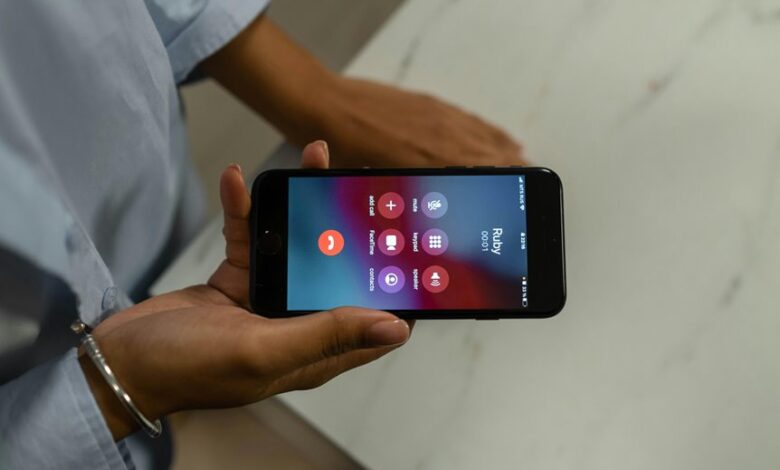
Caller Safety Exploration Hub examines how phone spam number lookups expose warning signals in unsolicited calls. It analyzes inconsistencies in caller IDs, spoofing indicators, and pattern repeats to support rapid, real-time assessments. The discussion weighs privacy, accuracy, and practical safeguards, presenting transparent verification signals and mitigation strategies. The balance between tool effectiveness and user autonomy is central, offering concrete criteria for evaluation while leaving open questions about adversarial manipulation and future improvements.
What Is Phone Spam and Why It Needs Scrutiny
Phone spam refers to unsolicited communications, typically phone calls or messages, that aim to deceive, coerce, or harvest personal information from recipients. The phenomenon warrants scrutiny due to privacy concerns and the impact on autonomy. Methodical assessment clarifies tactics, sources, and incentives, while emphasizing data accuracy and verification processes. A disciplined framework supports informed decisions, enabling safer participation in digital communications and protecting individual freedoms.
How Number Lookups Reveal Red Flags
To continue from the prior discussion on phone spam, this section examines how number lookups expose red flags in unsolicited contact patterns. Systematic analysis reveals consistent clues: caller ID inconsistencies, spoof detection signals, suspicious pattern repetitions, and improbable geographic mismatches. Considerations include privacy concerns and data accuracy, as verification hinges on cross-referenced sources, archival snapshots, and standardized reporting, maintaining objective transparency.
Real-Time ID Tools: From Caller ID to Spoofing Detection
Real-Time ID tools integrate live data streams and verification logic to distinguish legitimate calls from spoofed ones, enabling instantaneous assessment of caller identity.
The methodical framework contrasts traditional identifiers with corroborated signals, supporting caller safety through layered checks.
Spoofing detection relies on pattern analytics and behavior flags, while real time id tools balance accuracy with privacy considerations, preserving practical transparency and user autonomy in rapid decision-making.
Evaluating Tools: Privacy, Accuracy, and Practical Tips
The analysis scrutinizes how caller safety tools balance privacy protections with detection accuracy, outlining criteria for assessing data handling, algorithmic transparency, and user consent.
Evaluative criteria emphasize privacy tradeoffs and accountability, including data minimization, auditability, and opt-in controls.
Accuracy challenges are weighed against false positives, adversarial manipulation, and context sensitivity, offering practical tips for users and developers to preserve autonomy while enhancing safety.
Conclusion
The investigation closes with a measured stillness, as every data point converges into a pattern. Number lookups reveal quiet signals—inconsistencies, spoof cues, repeated contact motifs—yet none孤 alone confirms intent. Real-time tools assemble a probabilistic mosaic, balancing privacy against exposure. The analysis remains rigorous: metrics, safeguards, and edge cases mapped with care. As the last line arrives, the suspense lingers—will the next call betray a new disguise, or will the system anticipate it before it speaks?