
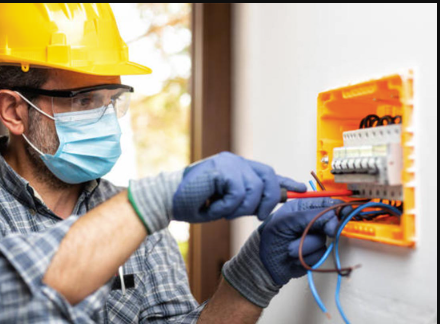
The Foundation of Modern Industry
Safe and reliable industrial electrical systems form the backbone of manufacturing plants, processing facilities, warehouses, and large commercial complexes. Without a stable and secure electrical infrastructure, production lines can come to a halt, safety risks can increase, and costly downtime can disrupt operations. These systems are designed not only to deliver consistent power but also to ensure that equipment, employees, and facilities are protected from electrical hazards. From heavy machinery to automated robotics, every industrial component depends on a well-structured electrical framework.
In modern industry, electricity powers everything from lighting and climate control to complex programmable logic controllers and data-driven monitoring systems. A reliable system ensures uninterrupted energy flow, while a safe system minimizes the risk of electrical fires, shocks, arc flashes, and equipment damage. Industrial environments often involve high voltage, large loads, and demanding conditions, making safety and reliability essential. Careful planning, professional installation, and ongoing maintenance all play key roles in maintaining system integrity and supporting long-term operational success.
Key Components of a Safe Electrical Infrastructure
A safe and reliable industrial electrical system begins with high-quality components designed for heavy-duty performance. These include transformers, switchgear, circuit breakers, control panels, distribution boards, grounding systems, and protective relays. Each component must be selected according to load requirements, environmental conditions, and operational demands. Using certified and tested equipment ensures compliance with electrical standards and reduces the risk of unexpected failures.
Proper grounding and bonding are especially important in industrial settings. Grounding systems provide a safe path for fault currents, preventing electrical shock and protecting equipment from damage. Circuit breakers and protective relays detect abnormal conditions such as overloads or short circuits and disconnect power automatically to prevent hazards. Additionally, surge protection devices safeguard sensitive equipment from voltage spikes. By integrating these components into a cohesive design, facilities can maintain both safety and performance, even under heavy operational loads.
See also: SEO Manila Philippines: Tapping into the Potential of SEO Philippines Packages for Your Business
Designing for Reliability and Performance
Designing Contactor coils requires a strategic approach that considers current needs and future expansion. Electrical engineers must conduct load analysis, short circuit studies, and fault current calculations to ensure the system can handle peak demand without strain. Proper cable sizing, transformer capacity planning, and redundancy measures are essential for preventing overloads and maintaining continuous operations.
Reliability also depends on system layout and redundancy planning. Many industrial facilities implement backup generators, uninterruptible power supply systems, and dual power feeds to minimize downtime. In critical industries such as healthcare manufacturing, food processing, and data centers, even a brief outage can result in significant financial loss. Therefore, integrating fail-safe mechanisms and backup power solutions enhances system resilience. Modern monitoring systems further improve reliability by providing real-time data on energy consumption, voltage fluctuations, and equipment health, allowing proactive maintenance before issues escalate.
Safety Standards and Regulatory Compliance
Compliance with electrical safety standards is a fundamental aspect of safe and reliable industrial electrical systems. National and international codes provide guidelines for installation, inspection, and operation to reduce risks. Adhering to these standards ensures that systems are designed with proper insulation, spacing, ventilation, and protective measures. Compliance not only protects workers but also shields businesses from legal liabilities and penalties.
Regular inspections and testing are crucial for maintaining compliance. Thermal imaging can identify overheating components, while insulation resistance testing detects potential faults before they become dangerous. Training employees on electrical safety practices is equally important. Workers should understand lockout and tagout procedures, personal protective equipment requirements, and emergency response protocols. By combining regulatory adherence with a culture of safety awareness, industrial facilities can significantly reduce accident rates and create a secure working environment.
Maintenance Strategies for Long Term Efficiency
Even the most advanced electrical system requires routine maintenance to remain safe and reliable. Preventive maintenance programs help identify wear and tear, loose connections, corrosion, and component degradation before they lead to failures. Scheduled inspections of switchgear, transformers, and control panels ensure that systems continue to operate within safe parameters. Cleaning and tightening connections can prevent overheating and energy loss, improving overall efficiency.
Predictive maintenance is becoming increasingly popular in industrial settings. Using smart sensors and data analytics, facilities can monitor equipment performance in real time and detect anomalies early. This approach reduces unplanned downtime and extends the lifespan of electrical assets. Additionally, updating outdated components and upgrading to energy efficient technologies enhances system performance and reduces operational costs. A strong maintenance strategy not only safeguards employees and equipment but also ensures that safe and reliable industrial electrical systems continue to support productivity and growth for years to come.