Understanding Home Extensions and Why They Are in Demand
Home extensions have become one of the most popular solutions for homeowners who need extra space but do not want the stress and expense of moving house. Whether families are growing, work-from-home lifestyles are becoming permanent, or homeowners simply want to improve comfort and functionality, extending an existing property offers flexibility and long-term value. A well-planned extension allows you to adapt your home to changing needs while maintaining familiarity with your neighborhood, schools, and daily routines. Unlike relocation, extensions eliminate stamp duties, agent fees, and emotional disruption, making them an appealing investment. From single-storey additions to full double-storey expansions, home extensions can be customized to suit both lifestyle goals and architectural style, ensuring that the new space feels like a natural continuation of the original structure rather than an afterthought.
Popular Types of Home Extensions for Modern Living
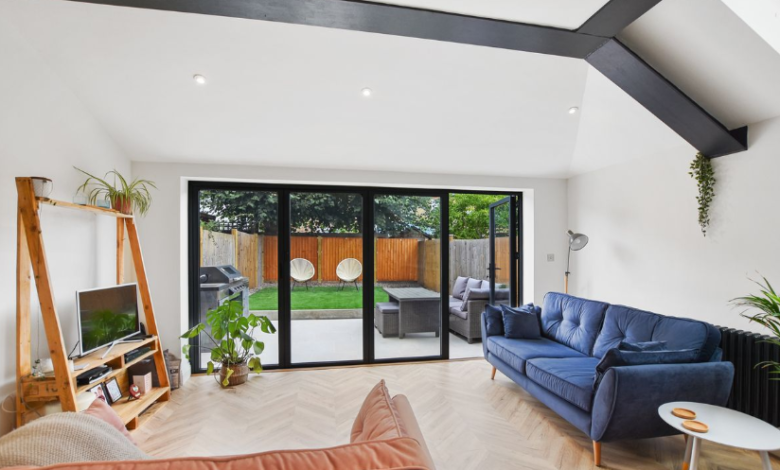
There are many types of home extensions, each designed to solve different space challenges. Single-storey extensions are ideal for expanding kitchens, dining areas, or creating open-plan living spaces that connect seamlessly with gardens. Double-storey extensions, on the other hand, are perfect for adding bedrooms, bathrooms, or home offices while maximizing land use. Rear extensions are commonly used in urban homes where outdoor space is limited, while side return extensions cleverly transform narrow unused areas into bright, functional rooms. Loft conversions, although technically different, are often grouped with extensions because they add usable living space without altering the home’s footprint. Choosing the right type depends on budget, planning regulations, structural feasibility, and how the additional space will be used on a daily basis.
Planning, Design, and Regulations for Successful Home Extensions
Careful planning is the foundation of successful Home extensions as poor design choices can lead to wasted space, budget overruns, or planning permission issues. The design phase should focus on how natural light, ventilation, and flow will work between old and new spaces. Homeowners must also consider local building regulations, planning permissions, and permitted development rights, which vary depending on property type and location. Consulting architects, structural engineers, and planning professionals early in the process helps avoid costly mistakes later. Budget planning is equally important, covering not just construction costs but also design fees, materials, inspections, and unexpected contingencies. When done correctly, the planning stage ensures the extension enhances both the aesthetics and functionality of the home while complying with all legal requirements.
How Home Extensions Increase Property Value and Lifestyle Comfort
One of the biggest advantages of extending a home is the potential increase in property value. Well-designed extensions often provide a strong return on investment, especially when they add desirable features such as extra bedrooms, modern kitchens, or additional bathrooms. Beyond financial benefits, extensions significantly improve lifestyle comfort by reducing overcrowding and allowing spaces to be purpose-built for specific needs. Open-plan layouts promote family interaction, while dedicated offices or studios support productivity and privacy. Extensions also allow homeowners to future-proof their properties, adapting spaces for aging, accessibility, or changing family dynamics. By enhancing both usability and appeal, a quality extension transforms a house into a long-term home that grows alongside its occupants.
See also: Essential Tips for a Smooth Home Buying Experience
Choosing the Right Professionals for Your Home Extension Project
The success of any home extension largely depends on the professionals involved. Hiring experienced builders, architects, and project managers ensures quality workmanship, realistic timelines, and effective problem-solving throughout the construction process. Reputable professionals provide transparent quotes, clear communication, and adherence to safety standards. It is also important to review previous projects, check references, and confirm insurance coverage before making commitments. Collaboration between homeowner and contractor plays a key role in achieving the desired outcome, as clear expectations help prevent misunderstandings. With the right team in place, a home extension project can be a smooth, rewarding experience that delivers lasting benefits in both comfort and property value.