
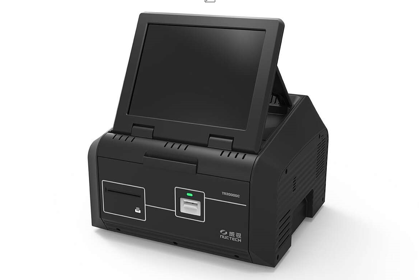
In the age of technology, surveillance cameras are no longer just passive observers. Today, smart surveillance systems are equipped with advanced features like facial recognition, behavior analysis, and even predictive analytics. These systems don’t just record; they analyze in real-time. Imagine walking through a city where cameras can detect unusual activities and alert authorities instantly. It’s like having an ever-vigilant watchdog keeping an eye on everything.
But here’s the thing: it’s not just about catching criminals in the act. Smart surveillance can be used for a myriad of purposes. Think about crowd control during large events or even ensuring public safety during emergencies with an explosive detection system. The data collected can be used to improve urban planning and infrastructure. Ever wondered why your favorite concert felt so organized? Yep, thank those smart cameras.
However, with great power comes great responsibility. The implementation of such technology brings up significant privacy concerns. Balancing security and personal freedom is a tightrope walk that cities must navigate carefully. Regulations and policies need to be in place to ensure that this powerful tool isn’t misused. After all, no one wants to feel like they’re living in a dystopian surveillance state.
Biometrics: the future of personal identification
Gone are the days when a password was enough to secure your accounts. Biometrics is taking over as the new standard for personal identification. Fingerprints, iris scans, and even facial recognition, along with a body scanner, are becoming commonplace. It’s fascinating how something so unique to each individual can be the key to unlocking devices and accessing secure areas.
Think about the convenience! No more fumbling around trying to remember passwords or worrying about someone guessing them. Just a quick scan of your fingerprint or a glance at your phone, and you’re in. Airports are already using biometric systems to speed up the boarding process, making travel less of a hassle.
Of course, this shift towards biometrics isn’t without its challenges. Security concerns are at the forefront. What happens if biometric data is compromised? Unlike passwords, you can’t just change your fingerprint or iris pattern. So, robust security measures must be in place to protect this sensitive information. It’s a brave new world, but one that promises greater convenience and security if done right.
Drones on patrol: eyes in the sky
Drones aren’t just for breathtaking aerial photography anymore. Law enforcement agencies worldwide are increasingly using drones for surveillance and patrol duties. These flying gadgets provide a bird’s-eye view of large areas, making them invaluable for monitoring crowds, tracking suspects, and even searching for missing persons.
The flexibility and maneuverability of drones allow them to access areas that would be challenging for ground vehicles or even helicopters. They can hover over traffic jams to assess situations or fly into disaster zones to provide real-time updates without putting human lives at risk. It’s like having a set of eyes that can go places you can’t.
But let’s not get carried away with all the positives without considering the downsides. Privacy concerns are a big issue here too. The idea of drones constantly buzzing overhead can make people uneasy. Clear regulations and transparency about their usage are crucial to gaining public trust. After all, no one wants to feel like they’re living under constant aerial surveillance.
Ai-powered crime prediction: staying one step ahead
Imagine if we could predict crimes before they happen. Sounds like something out of a sci-fi movie, right? Well, with AI-powered crime prediction systems, this is becoming a reality. By analyzing vast amounts of data, these systems can identify patterns and predict where crimes are likely to occur.
The potential benefits are immense. Law enforcement can deploy resources more effectively, potentially preventing crimes before they happen. High-risk areas can receive more attention, and community policing efforts can be more targeted and efficient.
However, this technology isn’t without its critics. Concerns about bias in AI algorithms are significant. If the data used to train these systems is biased, the predictions will be too. This could lead to over-policing in certain communities and exacerbate existing social inequalities. It’s a powerful tool but one that needs careful handling to ensure it serves everyone fairly.
See also: Tech Support Desk: 9517492643
Cybersecurity: protecting our digital streets
As our cities become smarter and more connected, cybersecurity becomes increasingly important. It’s not just about protecting personal data; it’s about safeguarding entire infrastructures from cyber-attacks. Imagine the chaos if traffic lights were hacked or water supply systems were compromised.
Cybersecurity measures need to evolve continually to stay ahead of threats. This means constant vigilance, regular updates, and robust defenses against ever-evolving cyber threats. It’s like a game of cat and mouse where the stakes are incredibly high.
The good news is that advancements in AI and machine learning are helping bolster cybersecurity efforts. These technologies can detect anomalies faster than any human could, providing an additional layer of protection. But ultimately, it’s a collective effort. Individuals need to be aware of best practices for online safety, and organizations must prioritize cybersecurity at every level.