
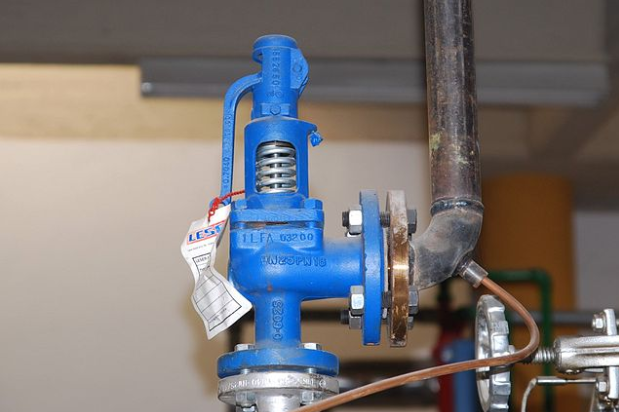
Ensuring the safety and efficiency of industrial equipment is critical for any operation. One of the essential components that safeguard machinery and protect workers is the safety relief valve. These devices play a crucial role in preventing equipment failure, minimizing hazards, and maintaining smooth operations in various industries, from manufacturing plants to power generation facilities. Understanding how a safety relief valve functions and its importance can help businesses operate safely and efficiently.
What is a Safety Relief Valve?
A safety relief valve is a mechanical device designed to protect equipment from excessive pressure. In many industrial systems, pressure can build up due to temperature changes, fluid accumulation, or operational errors. If this pressure exceeds safe limits, it can cause equipment damage, system failure, or even explosions. A safety relief valve acts as a safeguard by automatically releasing excess pressure, ensuring that the system remains within safe operating conditions.
How Safety Relief Valves Work
Safety relief valves operate based on a simple principle: when pressure in a system exceeds a predetermined level, the valve opens to release the excess pressure. Once the pressure returns to a safe level, the valve closes automatically. This process happens quickly and efficiently, providing continuous protection without the need for manual intervention. By maintaining pressure within safe limits, these valves prevent catastrophic failures and extend the lifespan of equipment.
Protecting Equipment from Damage
Industrial machinery and equipment are designed to operate within specific pressure ranges. Exceeding these limits can lead to wear and tear, cracks, or complete failure of critical components. A safety relief valve helps prevent such damage by releasing pressure before it reaches dangerous levels. This proactive protection not only reduces maintenance costs but also minimizes downtime, keeping operations running smoothly.
See also: Simplifying Your Business Finances With Bookkeeping 8474020001
Ensuring Safe Operations for Workers
Beyond protecting equipment, safety relief valves are vital for worker safety. High-pressure systems can be extremely hazardous if not properly controlled. A sudden pressure spike can cause pipes to burst, tanks to explode, or other dangerous situations. By automatically controlling pressure, safety relief valves reduce the risk of accidents, ensuring a safer working environment for employees. This safety measure is essential for compliance with industry regulations and standards.
Applications of Safety Relief Valves
Safety relief valves are used in a wide range of applications, including boilers, compressors, chemical processing systems, and hydraulic systems. Any system where pressure fluctuations can occur benefits from these devices. They are particularly important in industries where pressurized fluids or gases are involved, as uncontrolled pressure can have severe consequences. The versatility of safety relief valves makes them indispensable for modern industrial operations.
Regular Maintenance and Inspection
To ensure that safety relief valves perform effectively, regular maintenance and inspection are essential. Over time, valves can become clogged, corroded, or worn out, which can affect their ability to release pressure accurately. Routine checks and timely servicing help maintain their reliability, ensuring that the equipment they protect continues to operate safely. Proper maintenance also extends the lifespan of the valve, providing long-term cost savings for businesses.
Conclusion
Safety relief valves are critical components for protecting equipment and ensuring safe operations in any industrial setting. By automatically regulating pressure, they prevent equipment damage, reduce operational risks, and enhance worker safety. Regular maintenance and understanding their function further improve their effectiveness, making them an essential investment for businesses that rely on pressurized systems. Implementing safety relief valves is not just about compliance—it is a proactive step toward a safer, more efficient, and reliable operation.