
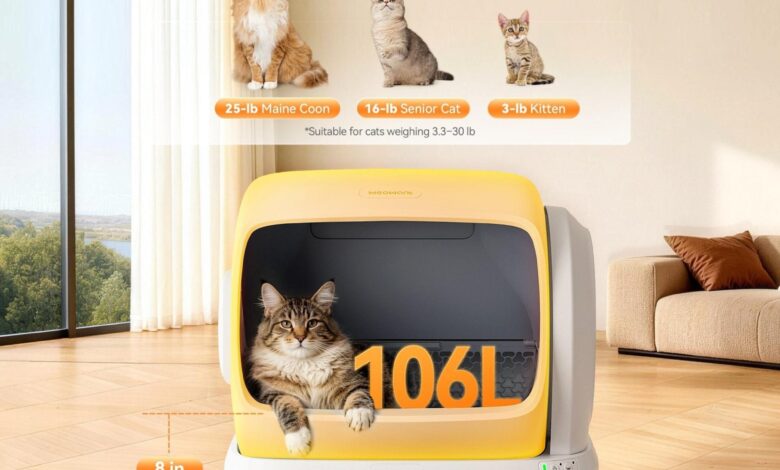
If you’re a cat owner, you know the routine all too well: the daily scooping, the lingering odors, and the constant battle to keep the litter box fresh. For busy families and multi-cat households, this chore can feel never-ending, consuming precious minutes every single day. Enter the automatic cat litter box—a modern solution designed to handle the dirty work so you don’t have to. But here’s the challenge: with dozens of brands and models flooding the market, finding the best automatic cat litter box for your specific needs can feel overwhelming. How do you know which self-cleaning mechanism actually works? Which size fits your home? And which features are worth the investment versus mere marketing gimmicks? This guide cuts through the noise by breaking down the essential criteria you need to evaluate, the real benefits these devices offer families, and practical steps to make a confident purchase. Whether you’re seeking time savings, better odor control, or health monitoring for your feline companion, the right information will lead you to the perfect choice.
The Rise of Automatic Litter Boxes: A Game-Changer for Pet Owners
Automatic litter boxes are electrically powered units that detect when your cat has used the box and initiate a cleaning cycle without any human intervention. Using sensors to identify clumps, these devices separate waste from clean litter and deposit it into a sealed compartment, keeping the box fresh around the clock. The journey from basic plastic trays to today’s sophisticated self-cleaning models reflects how convenient pet care has become a priority for modern households. Early versions relied on simple timers and raking mechanisms, but current designs incorporate smart sensors, app connectivity, and even health-tracking capabilities. The general benefits are compelling: consistent odor control since waste is removed within minutes, significant time savings for owners who previously scooped multiple times daily, and a cleaner environment that cats actually prefer—since felines are notoriously particular about using soiled boxes. For multi-cat homes, automatic litter boxes can mean the difference between a fresh-smelling household and one that announces its pet population the moment guests walk in. However, not every model delivers equally on these promises, which is precisely why understanding what separates a reliable automatic litter box from a disappointing one becomes essential before you invest.
See also: How a Christmas Chef Is Redefining Christmas Eve Dinner at Home
Essential Criteria for Selecting the Best Automatic Cat Litter Box
Choosing the best automatic cat litter box requires evaluating several interconnected factors that determine whether a unit will truly simplify your life or create new frustrations. Beyond flashy marketing, three core areas deserve your careful attention: physical dimensions and capacity, the cleaning mechanism itself, and the practical realities of living with the device daily.
Size, Design, and Capacity for Multi-Cat Households
A litter box for multi-cat households must accommodate frequent use without overflowing between cycles. Look for units with generous interior space—cats need room to turn around comfortably, and larger breeds like Maine Coons require entry openings of at least eight inches wide. The waste drawer capacity matters enormously here: a small compartment might work for a single cat but will demand daily emptying with two or three felines. Consider the unit’s footprint in your home as well, since automatic models tend to be bulkier than traditional trays. Measure your intended placement area before purchasing, accounting for clearance needed for waste drawer removal and any top-opening lids.
Understanding Self-Cleaning Technology
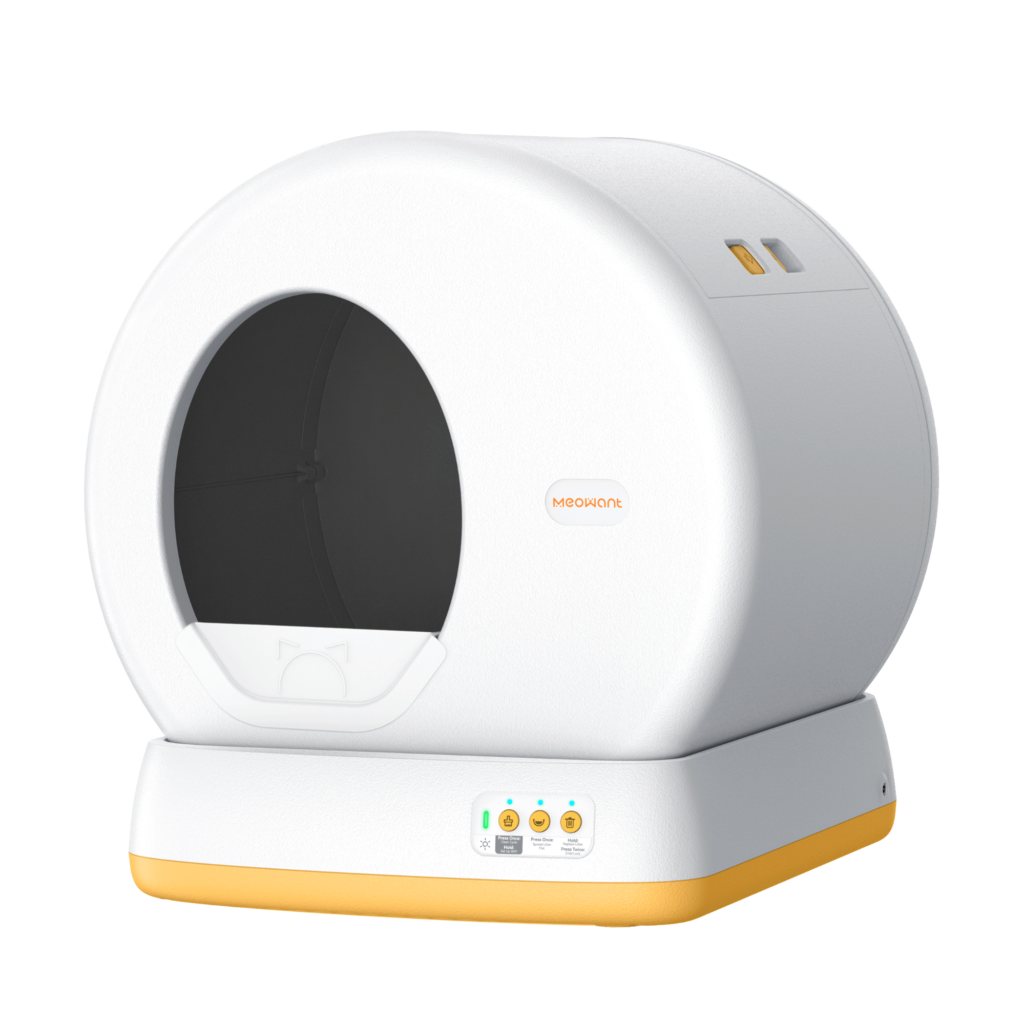
Self-cleaning technology varies significantly across models, and each mechanism carries distinct trade-offs. Raking systems use a comb that sweeps across the litter bed, pushing clumps into a receptacle—these are affordable but can jam on larger clumps or sticky waste. Rotating or globe-style units tumble the entire litter chamber, sifting waste through grates into a lower drawer, offering thorough cleaning but requiring specific litter types. Conveyor and sifting systems fall somewhere between, providing reliable separation with fewer mechanical failure points. Your choice should reflect your tolerance for maintenance: simpler mechanisms break down less often, while more complex designs typically deliver superior cleaning results.
Ease of Use, Maintenance, and Noise Levels
The most technologically advanced unit becomes a burden if it’s difficult to disassemble, clean, or troubleshoot. Prioritize models with tool-free component removal, dishwasher-safe parts, and clearly accessible waste compartments. Noise is another critical consideration for families—some units operate quietly enough to run overnight near bedrooms, while others produce grinding or motor sounds that startle both cats and sleeping children. Read user feedback specifically about long-term noise performance, since motors can grow louder over months of use. Units with adjustable cycle timing let you schedule cleaning for periods when noise won’t disrupt your household.
Solving Family Needs: Time-Saving and Health Monitoring Solutions
Beyond basic convenience, the best automatic cat litter boxes directly address two pressing concerns that families consistently identify: reclaiming lost time and gaining visibility into their cat’s wellbeing. These aren’t luxury considerations—they represent the practical reality of managing a household where pets are family members but caregiving hours are finite.
How Automatic Litter Boxes Free Up Your Time
The math is straightforward. Manual scooping for a single cat takes roughly five minutes per session, twice daily—that’s over sixty hours per year spent on litter duty alone. Multiply that for multi-cat homes, and you’re looking at a significant chunk of your week consumed by a repetitive task. Time-saving pet care products like automatic litter boxes eliminate this entirely by running cleaning cycles autonomously, typically within minutes of your cat exiting. Many models allow you to set specific schedules that align with your routine, so waste is processed during work hours or overnight. The reduced maintenance extends beyond scooping: because litter stays cleaner longer, full litter changes happen less frequently, and tracking around the house diminishes. For working parents juggling school runs, meal prep, and professional demands, those reclaimed minutes compound into meaningful free time redirected toward family activities or simply breathing easier at the end of a long day.
Tracking Your Cat’s Health Through Litter Box Data
Some of the most valuable innovations in automatic litter boxes have nothing to do with cleaning and everything to do with early detection of health problems. Advanced models from brands like Meowant now include weight sensors that log your cat’s mass each time they enter, usage frequency monitors that flag unusual bathroom patterns, and even waste analysis features that track consistency changes over time. These health insights from litter box usage matter because cats instinctively hide illness—by the time symptoms become visible, conditions may have progressed significantly. A sudden increase in urination frequency could signal diabetes or kidney disease, while weight fluctuations of even a few ounces might indicate thyroid issues. To leverage these features effectively, establish a baseline during your cat’s first two weeks with the device, then configure app notifications for deviations beyond normal ranges. Share logged data with your veterinarian during checkups to provide objective trend information that complements clinical examinations. This passive monitoring transforms your litter box from a waste receptacle into a daily wellness checkpoint.
Top Features and Technologies to Prioritize
When comparing models side by side, certain features consistently separate worthwhile investments from regrettable purchases. App connectivity stands at the top of this list—units that pair with your smartphone let you monitor cleaning cycles remotely, receive maintenance alerts when the waste drawer is full, and track usage patterns without physically checking the box. This proves especially valuable when you’re traveling or working long hours away from home. Safety sensors deserve equal attention: infrared or weight-based detection systems ensure the cleaning cycle never activates while your cat is inside, protecting curious kittens and slower senior cats alike. Look for models with multiple sensor redundancies rather than single-point detection. Waste disposal efficiency also varies dramatically between designs—some units use proprietary bag systems that lock in odor but add ongoing costs, while others accept standard trash bags at a fraction of the expense. Consider which approach aligns with your budget over the product’s lifespan, not just at purchase. For families weighing high-end versus budget options, the distinction often comes down to build quality and smart features rather than fundamental cleaning ability. A mid-range unit with reliable sensors, quiet operation, and standard bag compatibility frequently outperforms premium models loaded with features you’ll rarely use. Prioritize durability of moving parts, availability of replacement components, and responsive customer support—these practical considerations matter far more than aesthetic design or brand prestige when you’re living with the device daily for years.
Making the Final Decision: Steps to Choose and Implement
With all the criteria and features now clear in your mind, translating that knowledge into a confident purchase requires a structured approach. Start by establishing your budget range honestly—factor in not just the upfront cost but ongoing expenses like replacement liners, litter compatibility requirements, and potential component replacements over a three-to-five-year ownership period. Next, assess your household specifics: count your cats, measure your available space, and identify whether health monitoring or pure convenience ranks higher on your priority list. With these parameters defined, narrow your options to three or four models that fit, then dive into user reviews with intention. Focus on feedback from owners with similar household setups to yours, paying particular attention to comments written after six months or more of use—these reveal durability truths that initial impressions miss. If possible, purchase from retailers offering reasonable return windows, giving your cats two to three weeks to acclimate before committing permanently. During this trial period, observe whether your cats use the box willingly, whether the cleaning cycle handles your chosen litter type effectively, and whether noise levels prove acceptable during your household’s quiet hours. Finally, position the unit in a low-traffic area with easy access for both your cats and yourself when emptying the waste drawer. The best automatic cat litter box isn’t necessarily the most expensive or feature-rich—it’s the one that integrates seamlessly into your family’s daily rhythm without demanding attention or creating new inconveniences.
Finding the Right Automatic Litter Box for Your Family
Choosing the best automatic cat litter box comes down to matching your household’s specific circumstances with the right combination of size, technology, and practical features. The criteria matter: adequate capacity for multi-cat households prevents overflow frustrations, reliable self-cleaning mechanisms reduce maintenance headaches, and manageable noise levels keep your home peaceful. Beyond these fundamentals, the real value emerges in how these devices address deeper family needs—reclaiming dozens of hours annually that would otherwise disappear into repetitive scooping, and providing passive health monitoring that catches potential illnesses before they become emergencies. Informed decision-making protects both your investment and your cat’s wellbeing. Take the time to measure your space, honestly assess your budget including long-term costs, and read reviews from owners whose situations mirror yours. A trial period with your cats remains the ultimate test of any model’s suitability. When you find the right fit, the payoff extends for years: a consistently clean environment your cats willingly use, odor control that keeps your home welcoming, and the quiet confidence that comes from knowing your feline companion’s daily habits are being monitored. Start evaluating your options today with these criteria as your guide, and transform litter box duty from a daily burden into a problem permanently solved.